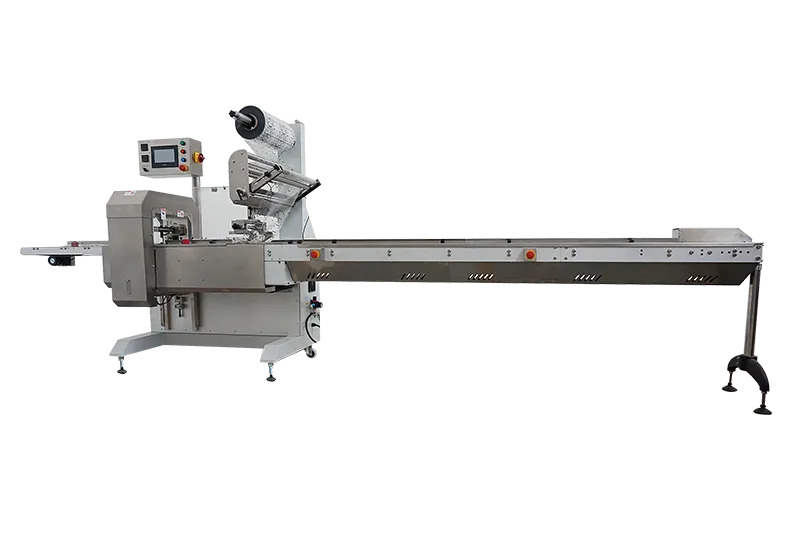
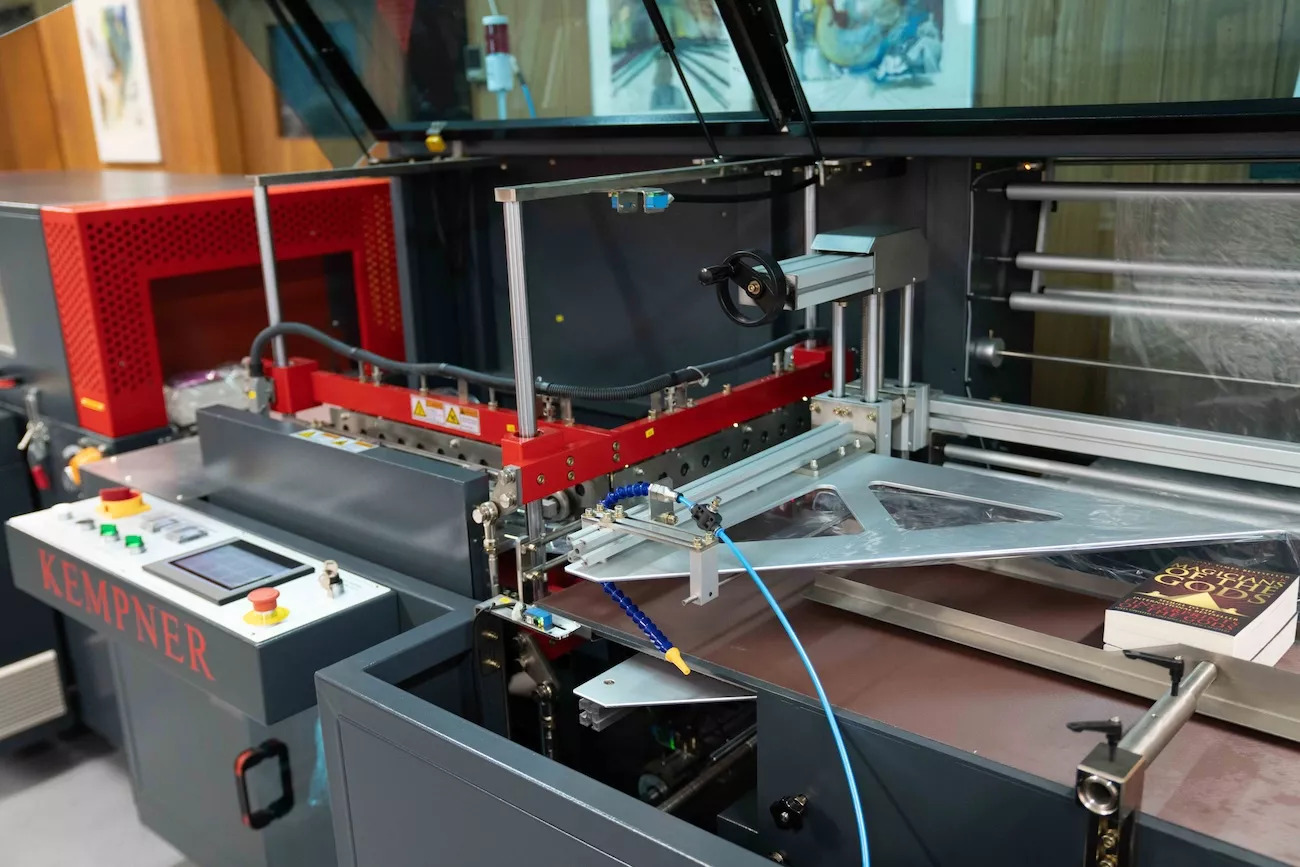
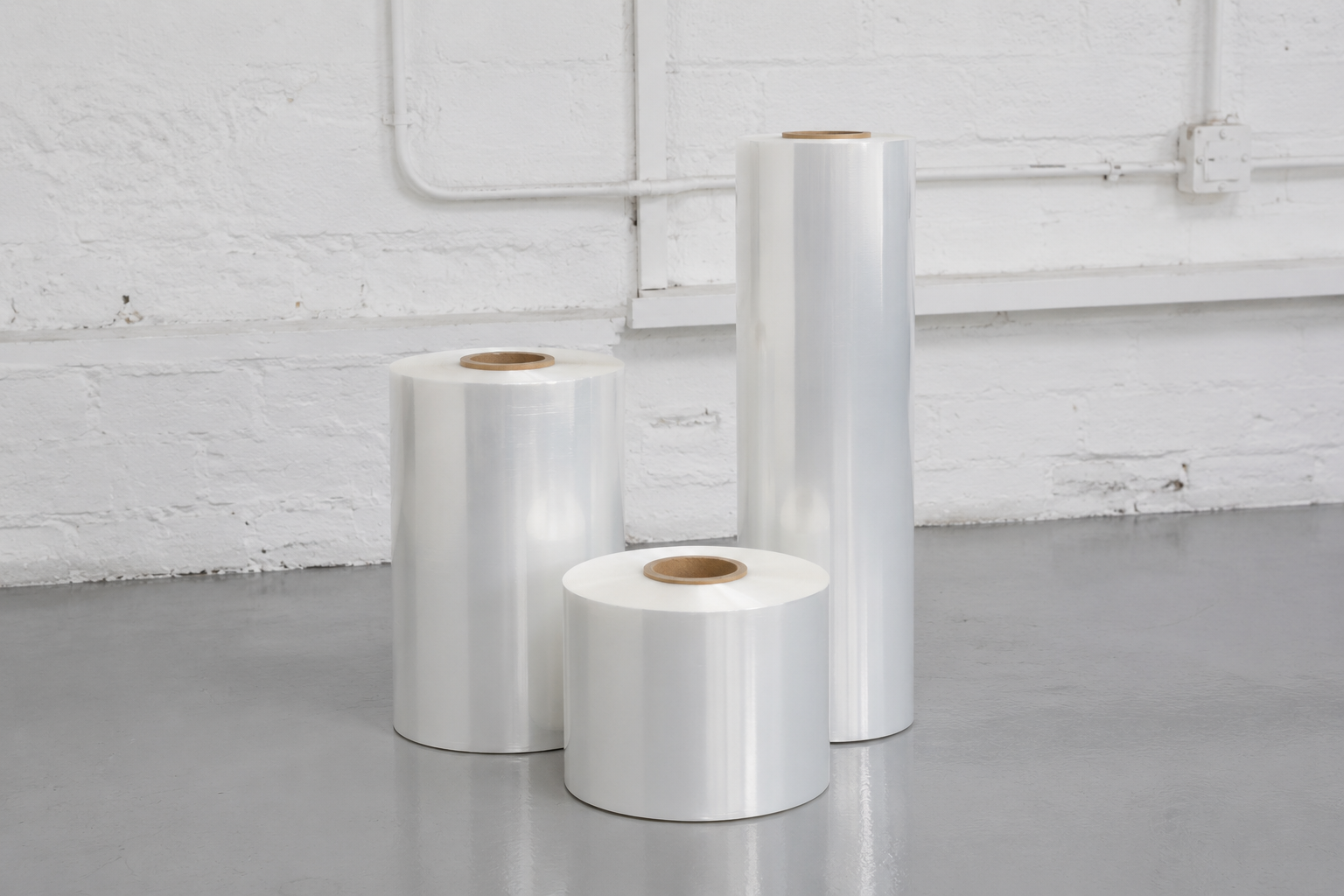
Shrink wrap film might seem like a straightforward packaging material. It’s clear, lightweight and designed to shrink neatly around a product when heat is applied. However, we know that in reality, there are several types available, and choosing the right one can have a significant impact on everything from product protection to shelf appeal.
Different industries, products and packaging environments demand different performance characteristics. For example, a retail-ready food product requires excellent clarity and seal integrity, whereas heavy multipacks heading into distribution need lasting strength. Environmentally conscious brands, on the other hand, may prioritise recycled or compostable materials in order to meet sustainability goals. The wrong choice can result in weak seals, damaged goods, excessive waste or machinery inefficiencies, but the right one can instead enhance presentation and protect your products throughout transit and storage.
With this in mind, taking the time to choose carefully means businesses can make sure that their packaging performs exactly as it should whilst remaining cost-effective and aligned with modern environmental expectations, which involves understanding the strengths and ideal uses of each type of shrink wrap film. Let’s find out more about the types of shrink wrap film available and when using each one is ideal.
Polyolefin Shrink Wrap Film
Polyolefin shrink wrap film is one of the most widely used and versatile shrink films available today. Made from a blend of polyethylene and polypropylene or just polyethylene, it is often co-extruded into multi-layer films designed to maximise strength, clarity and seal performance. It has almost completely replaced PVC in many applications due to its improved sustainability profile and enhanced strength.
Polyolefin film shrinks evenly when heat is applied, creating a tight, smooth finish around the product. It operates at relatively low sealing temperatures and offers a high shrink ratio, making it suitable for both manual systems and fully automated packaging lines. Its excellent clarity means products can remain highly visible, which is particularly important in retail environments. Irradiated polyolefin films take performance a step further. Through irradiation, the molecular structure of the film is strengthened, significantly increasing puncture resistance, tear strength and seal integrity. This makes irradiated polyolefin ideal for more demanding applications where strength is critical. Polyolefin films are also fully recyclable, and many options now contain significant levels of recycled resin whilst maintaining performance. This makes polyolefin a strong choice for businesses seeking a balance between performance, price and environmental responsibility.
There are variants – barrier films, anti-fog films, low shrink force films, low temperature shrink films;
Kempner have a totally comprehensive film range.
When Should You Use Polyolefin Shrink Wrap Film?
Polyolefin shrink wrap film is the go-to choice for retail packaging, food products, printed materials and multipacks where presentation matters. If you require high clarity, strong seals and compatibility with modern automated lines running at high speeds, polyolefin is the best solution. It’s also ideal when you want to reduce film thickness without sacrificing strength. Kempner's modern polyolefin films are engineered to perform at lower gauges, increasing yield and reducing material consumption.
Compostable Shrink Wrap Film
Compostable shrink wrap film is designed to break down in composting environments rather than persist in landfill. Certified to standards such as EN 13432 and ISO 17088, it provides a genuine alternative to conventional plastics for businesses prioritising sustainability. Like traditional shrink films, compostable shrink wrap forms a tight seal around the product when heat is applied. It delivers strong shrink performance, good clarity and reliable sealing. The key difference lies in its end-of-life disposal. When processed correctly in industrial or home composting facilities, the material degrades naturally without leaving harmful residues.
When Is Compostable Shrink Wrap Film the Right Choice?
Compostable shrink wrap film is particularly suitable for environmentally conscious brands, organic food producers and businesses with strong sustainability commitments. It works well when packaging needs to align with broader environmental messaging and where formal composting facilities are accessible. However, it’s important to ensure that disposal routes are clearly understood, as compostable films must be processed correctly.
PVC Shrink Wrap Film
PVC shrink wrap film is a flexible plastic film that shrinks tightly around products when heat is applied. Although polyolefin has replaced PVC in almost all applications, PVC remains relevant for certain specific needs. PVC film has the characteristic of being the material with the greatest machineability when either sealing or shrinking is considered.
When Should You Use PVC Shrink Wrap Film?
PVC shrink wrap film is often chosen for heat-sensitive or flexible products or where packaging machinery operates at lower temperatures. It can also be suitable for older or simpler equipment that may not be optimised for polyolefin films. Additionally, PVC provides a semi-rigid finish, making it useful in applications where a slightly firmer pack presentation is required. In certain cases, it can replace BOPP overwrap film whilst still delivering the benefits of shrink packaging.
Polyethylene (PE) Shrink Wrap Film
Polyethylene shrink wrap film, often referred to as PE shrink film, is known for its lasting strength. Manufactured from low-density or linear low-density polyethylene, it is typically thicker and tougher than polyolefin or PVC films. It’s commonly used with sleeve sealers and shrink tunnels in industrial environments and is available in various formats, including centre fold, lay flat and tubular configurations.
When to Use Polyethylene Shrink Wrap Film?
Polyethylene shrink wrap film is ideal for bundling heavy or bulky items such as bottles, cans, timber, radiators or large collations. If your primary goal is transit protection rather than high-gloss retail presentation, PE is often the best option. It performs exceptionally well in logistics and distribution settings where strength and load stability are more important than optical clarity. It is also widely used for multipacks and bulk packaging.
How to Choose the Right Shrink Wrap Film for Your Business
Choosing the right shrink wrap film for your business is not simply a case of picking the most popular option or the lowest price per roll. It requires a clear understanding of your product, your packaging environment and your long-term operational goals. Every shrink wrap film behaves differently in terms of shrink ratio, sealing temperature, strength, clarity and sustainability credentials, so aligning these characteristics with your specific requirements is key.
Start by considering the nature of your product. Is it lightweight and display-focused, where clarity and presentation are essential? If so, polyolefin shrink wrap film is often the strongest all-round choice. Are you packaging heavy or bulky items that need to withstand transport and handling? In that case, polyethylene shrink wrap film may provide the strength and stability required. If you’re working with heat-sensitive goods or older machinery that operates at lower temperatures, PVC shrink wrap film could be more suitable, and for businesses with strong environmental commitments, compostable shrink wrap film offers a certified sustainable alternative.
Machinery compatibility is another crucial factor. High-speed automated lines require films with consistent sealing properties and reliable shrink performance. Using a film that’s not suited to your equipment can result in downtime, poor seals and unnecessary waste. At the same time, it’s important to think about total cost rather than simply material price. Thinner, high-performance films may initially appear more expensive but can deliver greater yield, reduced waste and improved efficiency over time.
Ultimately, selecting the right shrink wrap film is about balance. You need a material that protects your product, runs smoothly on your machinery, aligns with your sustainability strategy and delivers cost-effectiveness in the long term. Taking a strategic approach means your packaging can work as hard and help keep operations running smoothly.
Summary
Shrink wrap film may appear simple, but in fact, the material you choose can influence everything from product protection and operational efficiency to brand perception and environmental impact. Polyolefin offers outstanding clarity and versatility for retail and high-speed applications, whereas compostable films provide a forward-thinking solution for sustainability-focused brands. PVC remains valuable for specific machinery and product requirements, and polyethylene delivers the strength needed for heavy-duty transit and bulk packaging.
There’s no single solution that suits every business, and finding the right shrink wrap film comes down to understanding your product, your packaging environment and your long-term objectives. By carefully matching the right shrink wrap film to your needs, you can improve performance, reduce waste, control costs and make sure your products reach customers in excellent condition.
Kempner has unparalled experience in optimising the correct material for every customer. We're totally focused on sustainability, machineability, pack performance and cost. We deliver the best possible solution at the lowest possible cost.