Shrink wrapping has become a highly incredible form of modern packaging, used across many different industries to protect products, improve presentation, and enhance distribution. At its core, the process is simple. A product is enclosed in shrink film, sealed and then exposed to heat, causing the film to contract tightly around it. Yet whilst the principle remains the same, the machinery used to carry out this process can vary significantly depending on the needs of the business. The two most common types of equipment are manual shrink wrap machines and automatic shrink wrap machines. Both are capable of producing high-quality packaging, but they differ in how they operate, the level of control they offer and the environments they are best suited to. Understanding these differences in detail is essential for choosing the right solution and ensuring that packaging processes run as efficiently as possible. Let’s compare these machines in further detail so that your business can determine which one is the most ideal solution for your operations.
What Is a Manual Shrink Wrap Machine?
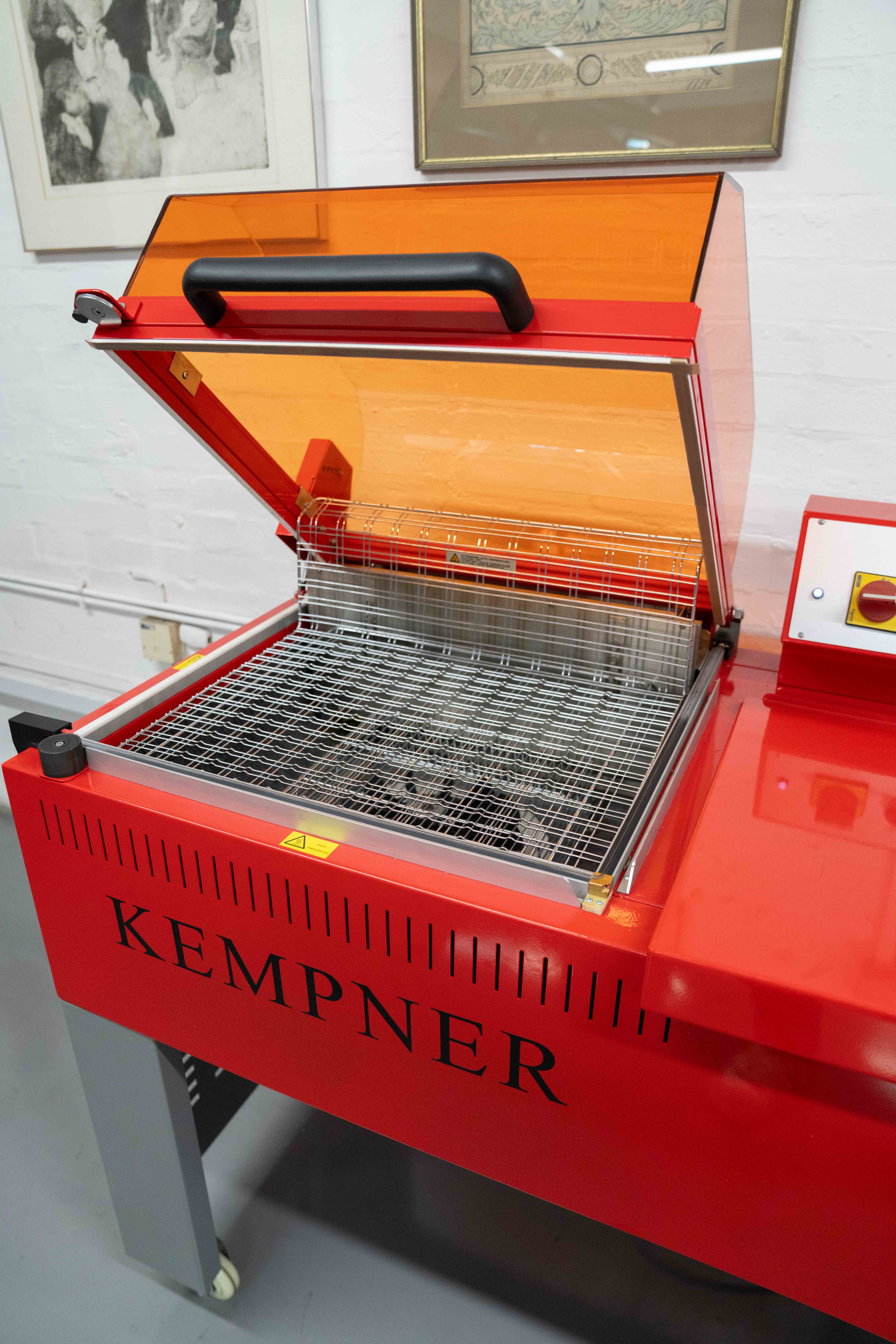
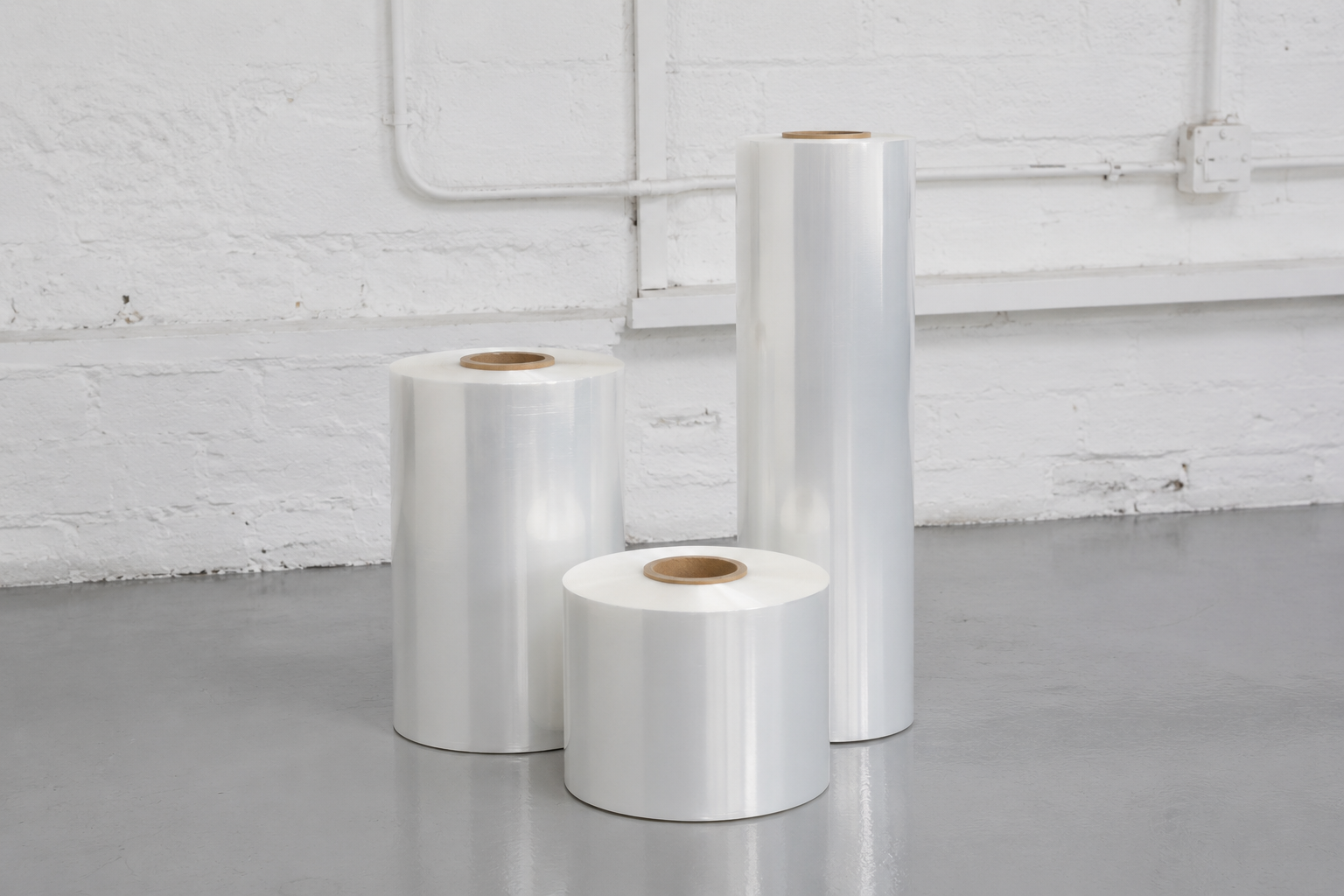
A manual shrink wrap machine is designed to give operators direct control over the packaging process. The workflow typically begins with the operator placing the product into a layer of shrink film, which may be centre-folded film or a pre-formed bag depending on the setup. The product is then carefully positioned within the sealing area, ensuring that the film is aligned correctly around it. Once in position, the operator activates the sealing mechanism, often an L-sealer or sealing bar, which cuts and seals the film around the product. This creates a loose, enclosed package. The sealed product is then transferred to a heat source, such as a shrink tunnel or heat gun, where controlled heat causes the film to shrink tightly around the item. What makes this process particularly effective is the level of hands-on involvement. Operators can adjust positioning, tension, and handling for each individual product, ensuring that even irregular or delicate items are packaged correctly. This level of control allows for a high degree of precision and adaptability.
Typical Applications of Manual Machines
Manual shrink wrap machines are widely used in environments where flexibility is essential. They are particularly well suited to businesses that handle a variety of product sizes and shapes, as operators can quickly adapt the process without needing extensive reconfiguration. You’ll often find manual machines in print shops wrapping brochures or books, in retail environments packaging gift sets or individual products, and in e-commerce operations preparing items for dispatch. They are also commonly used in small manufacturing settings where production runs may be shorter or more varied. In these scenarios, the ability to adjust quickly and maintain control over each pack is highly valuable.
What Is an Automatic Shrink Wrap Machine?
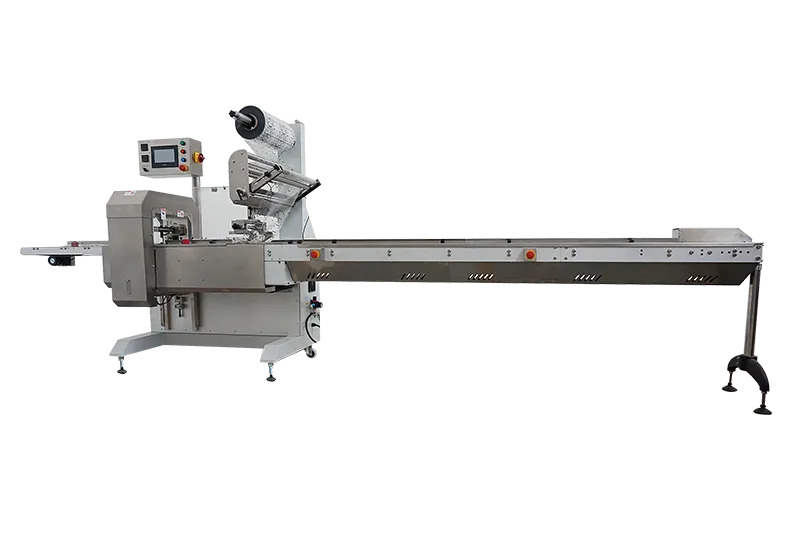
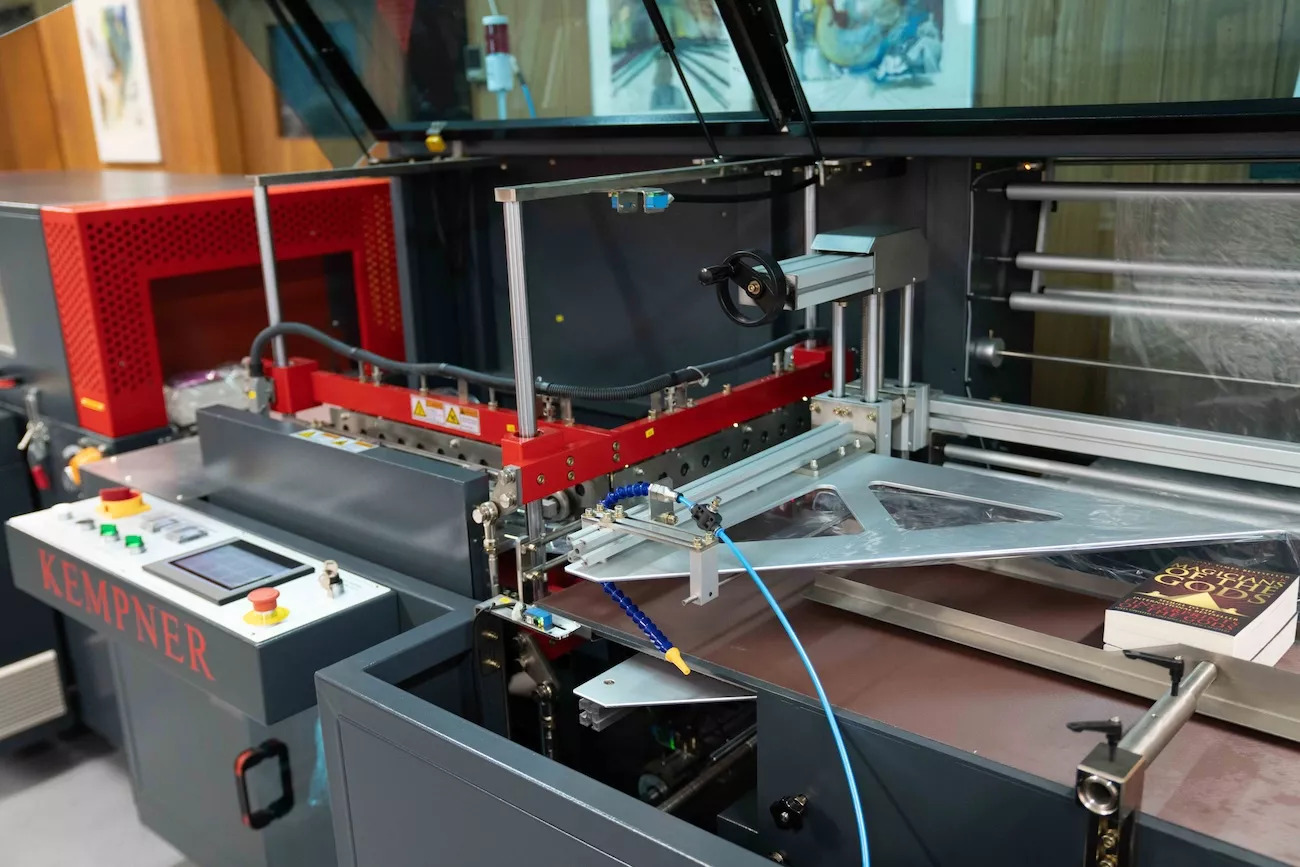
An automatic shrink wrap machine is designed to streamline the entire packaging process by reducing the need for manual intervention. Products are introduced into the system, often via a conveyor, and the machine takes over from there. It automatically feeds the shrink film around the product, seals it and transfers it through a shrink tunnel where heat is applied. Sensors and controls ensure that products are correctly positioned, whilst temperature and sealing settings are maintained consistently throughout operation. This results in a smooth, uninterrupted packaging process capable of handling large volumes efficiently. Because the machine manages each stage automatically, it reduces the need for manual handling whilst maintaining a high level of precision.
Typical Applications of Automatic Machines
Automatic shrink wrap machines are commonly used in high-volume production environments where speed and consistency are critical. Industries such as food processing, beverage manufacturing and large-scale retail packaging rely on these systems to keep up with demanding production schedules. They are particularly effective in operations where products are uniform in size and shape, allowing the machine to run continuously without frequent adjustments. In these environments, automatic machines help maintain a steady flow of packaged products, supporting efficient large-scale operations.
Manual Shrink Wrap Machine vs Automatic: The Key Differences
Level of Automation and Operator Involvement
The most fundamental difference between manual and automatic machines lies in how much of the process is handled by the operator. Manual machines involve direct interaction at each stage, from positioning the product to initiating the seal. This hands-on approach allows for careful control and adaptability. Automatic machines, on the other hand, are designed to minimise operator involvement. Once the system is set up, it handles wrapping, sealing and shrinking independently. Operators typically oversee the process rather than actively participating in each step, allowing for a smoother workflow.
Production Speed and Throughput
Production speed varies significantly between the two systems. Manual machines operate at a pace determined by the operator, making them ideal for controlled, smaller-scale packaging tasks where precision is more important than volume. Automatic machines are built for continuous operation, capable of packaging large quantities of products in a short amount of time. Their ability to maintain a consistent flow makes them particularly effective in high-demand environments where throughput is a priority.
Flexibility and Product Variety
Manual shrink wrap machines excel when it comes to flexibility. Because the operator controls the process, it is easy to adjust for different product sizes, shapes or packaging requirements. This makes them ideal for businesses that handle a diverse range of items. Automatic machines also offer versatility, but they perform best when packaging products with consistent dimensions. Once configured, they can run efficiently for extended periods, producing uniform results across large batches.
Consistency and Packaging Precision
Automatic machines are designed to deliver consistent results across every pack. Sealing, film tension and shrink performance are all controlled by the system, ensuring uniform packaging quality. Manual machines also achieve high-quality results, but consistency is influenced by the operator’s technique. This can be advantageous when dealing with unique or delicate products, as adjustments can be made in real time to suit specific requirements.
Integration into Production Lines
Automatic shrink wrap machines are often integrated into larger production lines, working alongside conveyors, labelling systems and other packaging equipment. This creates a seamless process from production to final packaging, improving overall efficiency. Manual machines are typically used as standalone units or within smaller workflows. Their independence makes them easy to incorporate into a variety of setups without the need for extensive infrastructure.
Space and Operational Setup
Manual machines are generally compact and require minimal space, making them suitable for smaller work areas or businesses with limited floor space. They can be set up quickly and adapted as needed. Automatic machines, by comparison, are part of larger systems and may require more space to accommodate conveyors and additional components. Their setup is more structured, supporting continuous and high-volume operations.
Choosing the Right Shrink Wrap Machine
When a Manual Shrink Wrap Machine Is the Right Choice
A manual shrink wrap machine is particularly well suited to environments where adaptability and control are key. Businesses that handle a wide variety of products, frequently change packaging requirements or operate on smaller production runs often benefit from the flexibility these machines provide. The ability to adjust each pack individually ensures that products are packaged carefully and accurately, regardless of their shape or size.
When an Automatic Shrink Wrap Machine Is the Right Choice
An automatic shrink wrap machine is the ideal solution for operations that require high output and consistent performance. In environments where large volumes of similar products need to be packaged efficiently, these machines provide the speed and reliability needed to maintain productivity. Their ability to integrate into production lines also makes them a strong choice for businesses focused on streamlined, continuous workflows.
Ultimately, both types of machines are valuable tools, each designed to meet specific operational requirements. By aligning the machine with your business needs, you can create a packaging process that supports both quality and efficiency.
Final Thoughts
Manual and automatic shrink wrap machines each offer distinct approaches to packaging, and both play an important role in modern operations. Manual machines provide flexibility and control, making them ideal for varied and smaller-scale tasks, whilst automatic machines deliver speed, consistency and integration for high-volume production. By understanding how they differ and where each one excels, businesses can make informed decisions that align with their packaging needs. Whether the priority is adaptability or efficiency, choosing the right shrink wrap machine can have a lasting impact on productivity, product protection and overall packaging quality.
Shrink Wrap Machines from Kempner
At Kempner, we understand that every business has unique packaging requirements, which is why we offer a wide range of both manual and automatic shrink wrap machines. Whether you need the flexibility and control of a manual system or the speed and efficiency of a fully automated solution, we provide machinery designed to deliver reliable performance across a wide range of industries. Our manual shrink wrap machines are ideal for operations that require adaptability, allowing operators to package products of varying sizes and shapes with precision. Meanwhile, our automatic shrink wrap machines are engineered for high-volume environments, offering smooth integration into production lines and the ability to maintain consistent output at speed.
No matter which solution suits your needs, we work closely with businesses to ensure they have the right equipment for their specific application, and with decades of experience and a focus on quality, you can rely on Kempner to supply shrink wrap machines that help improve efficiency, maintain product protection, and support long-term success across various industries. If you need any assistance, feel free to contact us today, or browse our website to discover all our packaging materials and machinery.