We know that food waste has become one of the most pressing challenges facing the global food industry today. As of 2025, approximately 9.52 million tonnes of food are discarded in the UK each year, and this can be down to many reasons, such as spoilage, poor storage conditions, and inefficient packaging. This issue affects not only households but also businesses throughout the entire food supply chain, including producers, processors, retailers and hospitality providers. As concerns about sustainability, food security and environmental impact continue to grow, reducing food waste has become a key priority for many organisations, and reliable packaging can help achieve this goal.
The right packaging solutions can significantly extend the shelf life of food and protect it from damage or contamination, and one of the most effective methods for preserving food and reducing waste is through the use of vacuum pouches. These pouches are specifically designed to remove air, helping to slow down the processes that cause food to deteriorate. By creating a tightly sealed barrier around the product, they are able to help maintain freshness, prevent spoilage, and protect food during storage and transportation. As a result, vacuum pouches have become a widely used method for reducing food waste across multiple sectors of the food industry. But before we look at vacuum pouches in more detail, it’s important to understand why food waste can be a big issue for businesses. Because, by showing just how many negative outcomes can be prevented with their use, you can discover just how effective they really are.
What Are Vacuum Pouches and How Do They Work?
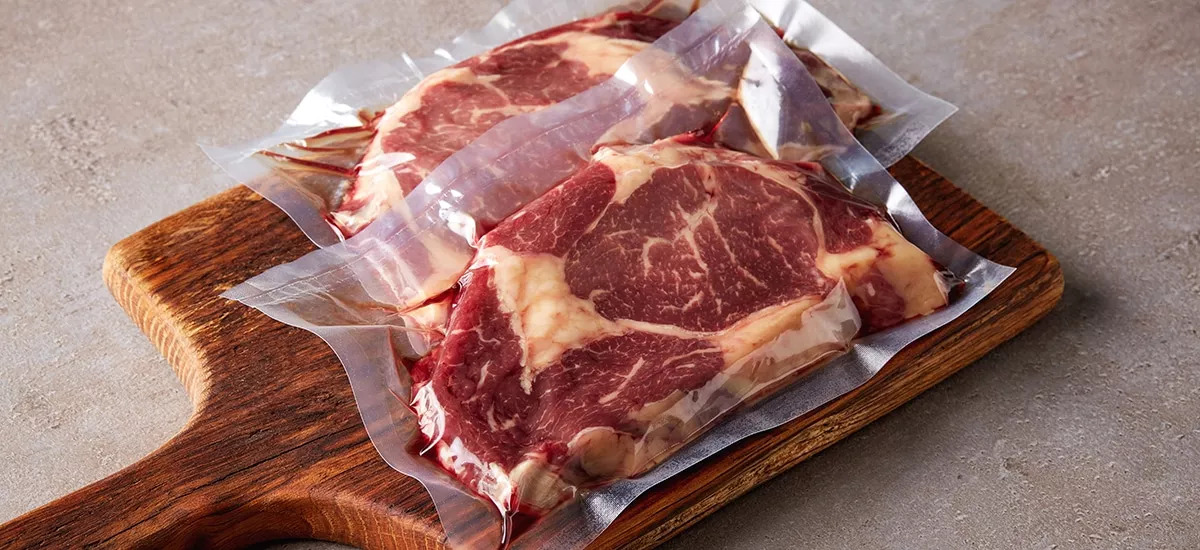
Vacuum pouches are specialised packaging bags designed to work with vacuum sealing machines to remove air from around food products before sealing them tightly inside the pouch. The pouches themselves are typically made from durable multi-layer plastic films that provide strong barrier properties against oxygen and moisture. These layers work together to protect the contents of the pouch whilst maintaining a strong and reliable seal. The vacuum packaging process begins by placing food products inside a vacuum pouch. The open end of the pouch is then positioned within a vacuum sealing machine, which removes the air from inside the bag. Once the air has been extracted, the machine seals the pouch using heat, creating a tight and airtight seal. Without oxygen present, many of the chemical and biological processes that cause food to deteriorate are slowed down significantly. This means food products can remain fresh for much longer compared with traditional packaging methods.
Why Food Waste Can Be an Issue for Businesses
Environmental Impact
Firstly, food waste can have a negative environmental impact. When food is discarded, the resources used to produce it, including water, energy and agricultural inputs, are also wasted. Additionally, decomposing food waste contributes to greenhouse gas emissions, particularly methane, which can contribute to climate change.
Financial Costs
For businesses operating in the food industry, waste also represents a financial loss, as spoilt or damaged food products cannot be sold, which directly affects profits. Reducing food waste through better packaging and storage methods can, therefore, help businesses improve their operational efficiency and financial performance.
Occurs at Multiple Stages of the Supply Chain
Food waste can also occur at multiple stages of the supply chain. For instance, products may spoil during transportation, deteriorate in storage facilities, or expire before being sold. In many cases, poor packaging or inadequate preservation methods are a contributing factor.
How Vacuum Pouches Help Reduce Food Waste
With food waste having the potential to cause problems for businesses and poor packaging sometimes being the culprit, it’s important to have a reliable packaging solution, like vacuum pouches, in order to keep food preserved for as long as possible and waste to a minimum. Here are the main ways in which vacuum pouches can help reduce food waste, thus helping businesses avoid major financial losses and have a more positive impact on the wider environment.
Extending Shelf Life
One of the most important benefits of vacuum pouches is their ability to extend the shelf life of food products. By removing oxygen from the packaging environment, vacuum sealing significantly slows down bacterial growth and oxidation processes that lead to spoilage. This allows food products to remain fresh for longer periods, reducing the likelihood of waste.
Preventing Freezer Burn and Spoilage
Vacuum pouches can also help prevent freezer burn, which can occur when food is exposed to air during freezing. Freezer burn affects the texture, flavour and overall quality of food products, often making them unsuitable for eating. By sealing food tightly in vacuum pouches, air exposure is minimised, preserving the product’s quality during freezing.
Protecting Food During Storage and Transport
During storage and transportation, food products can be exposed to environmental conditions that may cause damage or contamination. Vacuum pouches provide a strong protective barrier that shields food from moisture, bacteria and physical damage, helping maintain itse quality.
Improving Portion Control and Storage Efficiency
Vacuum packaging also allows food products to be stored in convenient portion sizes. This makes it easier for businesses and consumers to use only the amount of food required, reducing the likelihood of unused products being discarded.
Key Features That Make Vacuum Pouches Especially Effective
Multi-Layer Barrier Technology
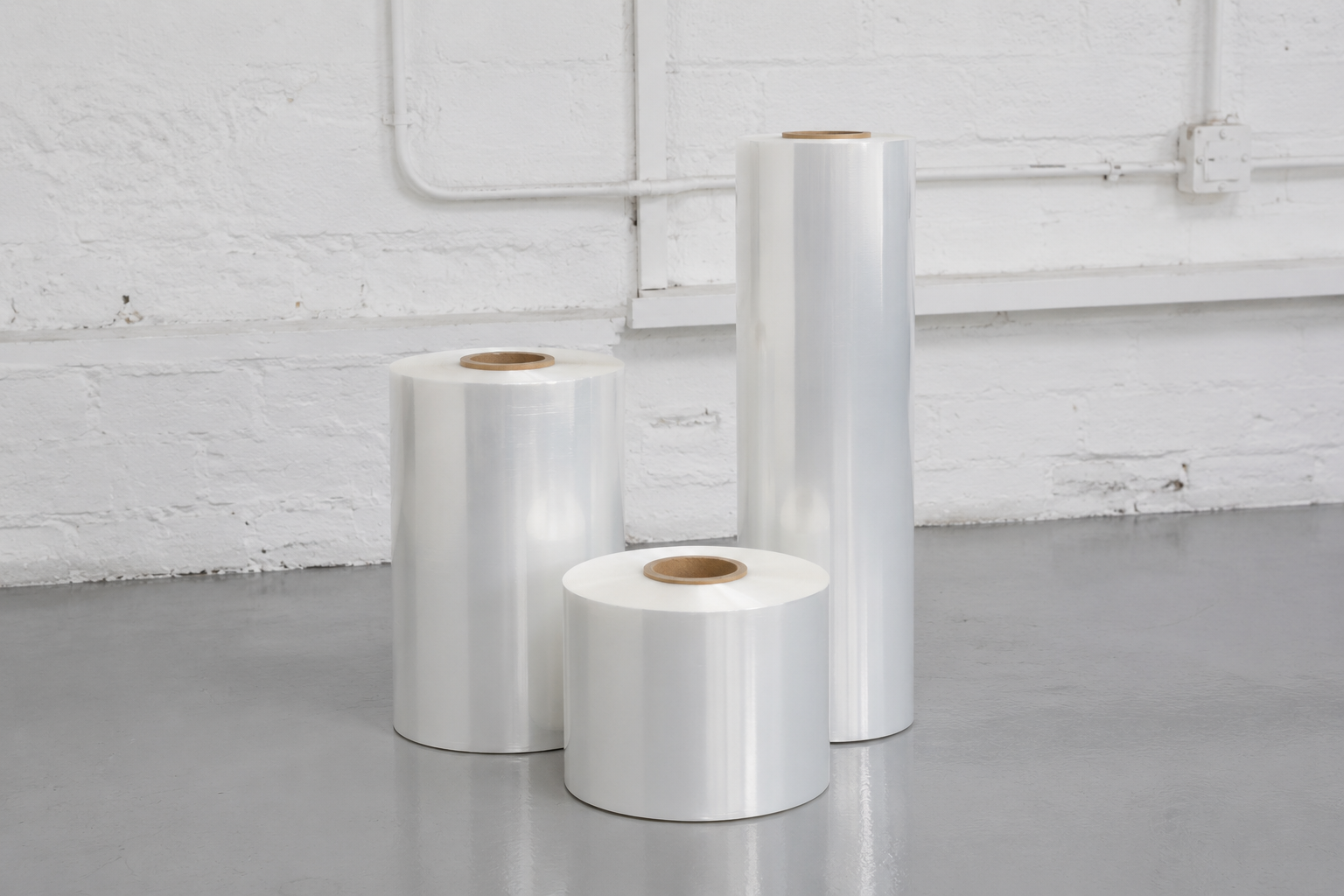
One of the main reasons vacuum pouches are so effective at preserving food is their use of multi-layer film technology. These pouches are typically manufactured using several layers of specialised materials that work together to create a strong barrier against oxygen and moisture. Oxygen is one of the primary causes of food deterioration, as it promotes bacterial growth and oxidation that can affect the taste, texture and safety of food products. By limiting the amount of oxygen that can pass through the packaging, vacuum pouches significantly slow down these processes. At the same time, the barrier properties help prevent moisture from escaping or entering the pouch, which helps maintain the natural quality and freshness of the food.
Strong, Leakproof Seals
Another key feature that makes vacuum pouches highly reliable is their ability to form strong, leakproof seals. During the vacuum sealing process, heat is applied to bond the layers of the pouch together, creating a tight and durable seal that keeps air out and protects the contents inside. A high-quality seal is essential for maintaining the vacuum environment, as even small leaks can allow oxygen to re-enter the pouch and reduce its effectiveness. Strong seals also help prevent liquids, oils or marinades from escaping the packaging, which is particularly important when storing products such as meat, fish, or prepared foods.
Food-Safe and Strong Materials
Vacuum pouches are also manufactured using materials that are specifically designed for safe food contact and lasting strength. These materials must meet strict food packaging regulations so that they do not contaminate or affect the quality of the food inside. In addition to being food-safe, the materials used in vacuum pouches are engineered to be highly durable and resistant to punctures or tears. This is especially important for products with sharp edges, bones or uneven surfaces that could otherwise damage weaker packaging. The combination of strength and food safety allows vacuum pouches to provide reliable protection for a wide range of food products throughout storage, transport, and handling.
How Kempner Supports Businesses with High-Quality Vacuum Pouches
At Kempner, we’re dedicated to helping businesses reduce food waste so that businesses can reduce financial losses and have a better environmental impact. That’s why we provide a premium range of vacuum pouches manufactured using advanced multi-layer film technology. This creates a strong barrier against oxygen and moisture, slowing bacterial growth and extending shelf life whilst maintaining the freshness and quality of food products.
We supply vacuum pouches for a wide range of applications, including meat, fish and seafood, cheese, and vegetables, with bespoke sizes available to suit specific products and packaging requirements. Each pouch is produced to high standards for strength, puncture resistance, and reliable sealing, allowing for consistent performance, even with high-moisture or high-fat foods. By combining competitive pricing, sustainable design, and expert customer support, we’re here to help businesses find dependable vacuum packaging solutions that protect food quality, improve storage efficiency, and reduce food waste. To find out more about our vacuum pouches, browse our website today.
End Note
Food waste continues to be a significant challenge for businesses across the food industry, affecting both profits and sustainability. From production and storage to transportation and retail, there are many points in the supply chain where food can deteriorate if it’s not properly protected. Implementing reliable preservation methods is, therefore, essential for businesses that want to maintain product quality and minimise losses.
Vacuum pouches provide a practical and effective solution by extending shelf life, protecting food from spoilage and improving storage efficiency. Through the removal of oxygen and the creation of a strong protective barrier, they help keep food fresh for longer and reduce the likelihood of products being discarded before they can be used or sold. As businesses continue to prioritise sustainability and cost efficiency, vacuum packaging will remain an important tool for reducing food waste and ensuring food products reach consumers in the best possible condition.
If you would like to find out more about how Kempner can meet your vacuum packaging needs, feel free to contact us today. Alternatively, you can discover the other premium packaging materials that we offer.