We know that in manufacturing and distribution environments, efficiency is essential for businesses that want to remain competitive. Companies are constantly looking for ways to streamline their operations, reduce costs, and maintain consistent product quality, and packaging plays a key role in achieving these goals. Although it’s often one of the final steps in the production process, the way products are packaged can directly affect production speed, material usage, and how efficiently goods are stored and transported, making an effective packaging method essential.
This is where shrink wrapping has become such a valuable solution. It’s widely used in modern packaging operations because it offers a simple yet highly effective way to secure products quickly and reliably. By applying heat to a specially designed plastic film, the material shrinks tightly around the item, creating a protective and tamper-evident seal. Although the process itself is relatively straightforward, the impact of shrink wrapping on packaging efficiency can be substantial. When implemented correctly, it can reduce packaging time, minimise material waste, improve product protection, and support high-speed automated production lines, making it a method that’s incredibly beneficial. Let’s find out more about how shrink wrapping works and just how good it is at improving packaging efficiency.
What is Shrink Wrapping?
Shrink wrapping is a widely used packaging method that involves enclosing a product in a specially designed plastic film and then applying heat so that the material shrinks tightly around the item. The film is initially placed loosely around the product, often as a folded sheet or bag, and sealed around the edges to create an enclosure. Once heat is introduced, the film contracts and conforms closely to the shape of the product, creating a secure and protective outer layer. This process produces a tight, clean package that keeps products stable and protected from dust, moisture, and other external contaminants.
Because shrink wrap films are typically transparent, the contents remain clearly visible, which is particularly useful for retail environments where product appearance can influence purchasing decisions. Shrink wrapping can also be used to group multiple items together into multipacks, making them easier to handle, transport, and display.
How the Shrink Wrapping Process Works
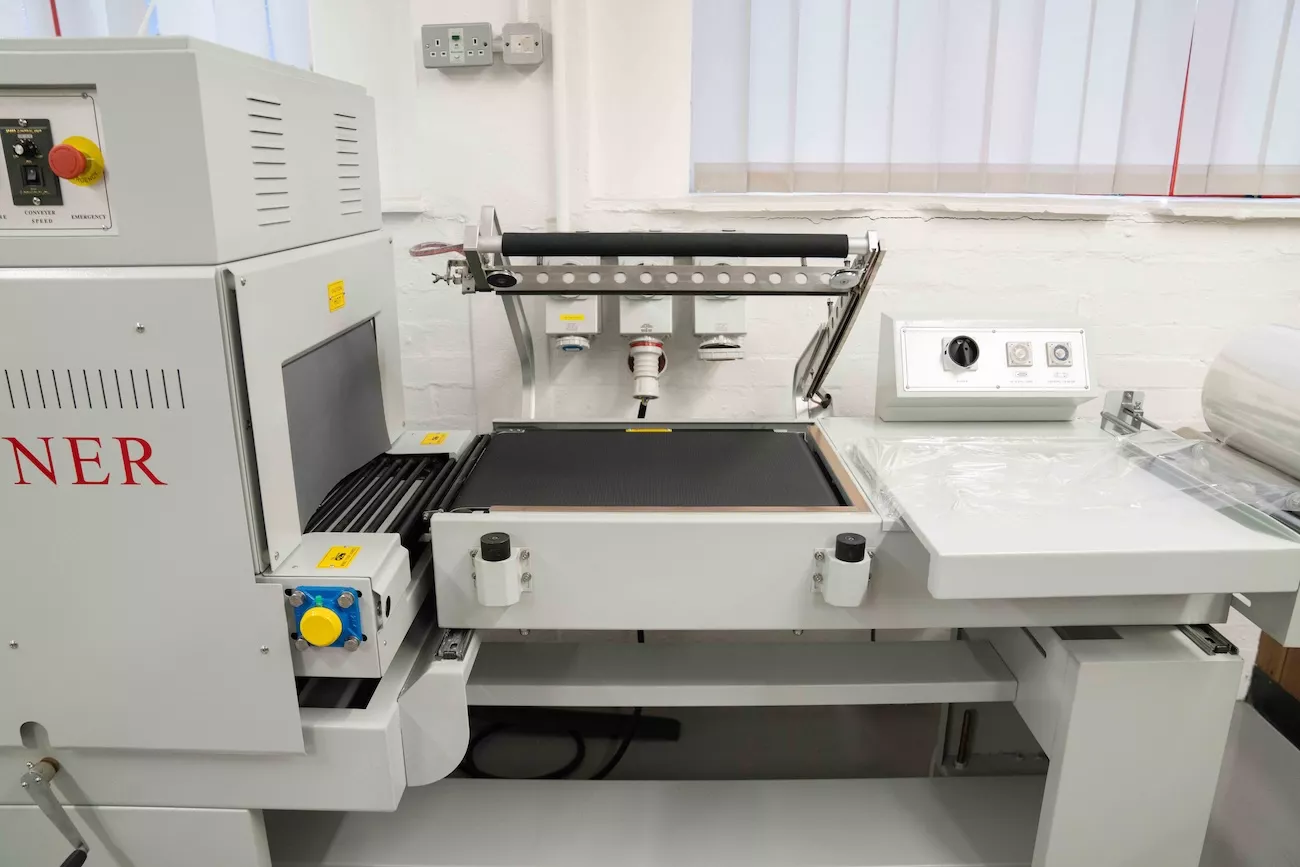
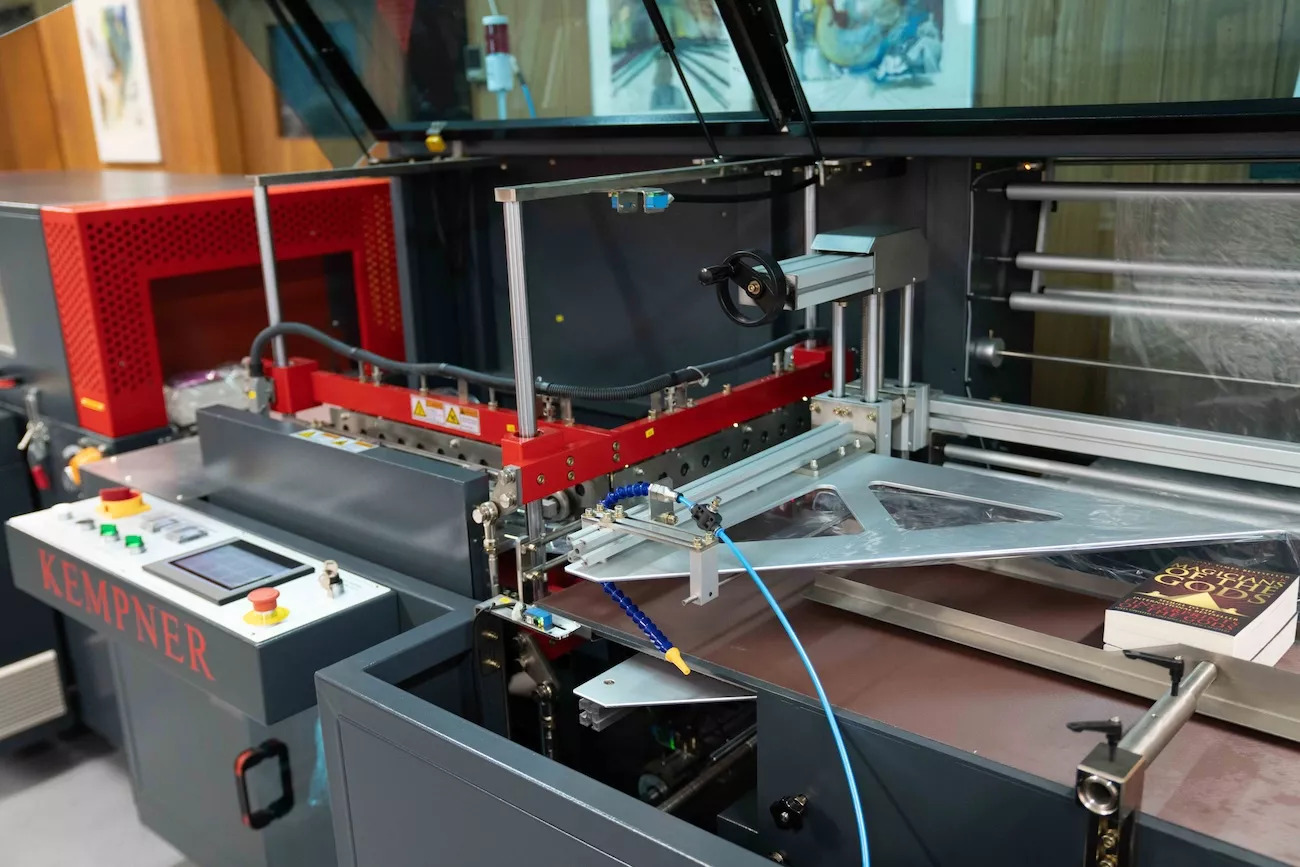
The shrink wrapping process generally involves two main stages: sealing and shrinking. In the first stage, the product is placed inside a shrink film, which is then sealed using equipment such as an L-sealer or sleeve sealer. This creates a loose film enclosure around the product. In the second stage, the sealed package is exposed to heat, usually through a shrink tunnel or heat gun. As the temperature rises, the film begins to shrink evenly around the product, tightening until it forms a snug and secure protective layer. The result is a durable, tamper-evident package that protects the product while maintaining a neat and professional appearance. This efficient process makes shrink wrapping suitable for a wide range of industries, from food packaging and retail products to printed materials and industrial goods.
How Shrink Wrapping Improves Packaging Efficiency
Faster Packaging Processes
One of the most significant ways shrink wrapping improves packaging efficiency is through the speed at which it can be applied. In modern production environments, packaging processes must keep up with high output levels, and slow or labour-intensive methods can quickly create disruptions in the production line. Shrink wrapping offers a reliable solution because the process can be completed quickly using specialised equipment designed for consistent performance.
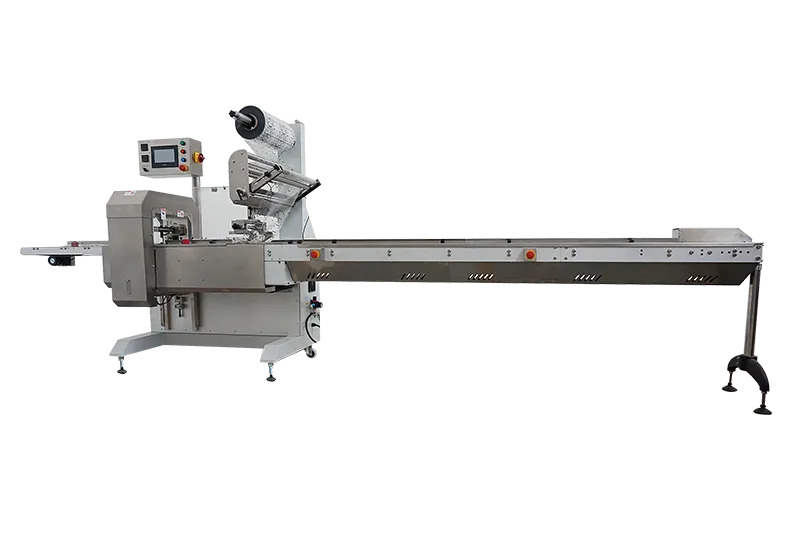
Once integrated into a packaging line, shrink wrapping machines can handle large volumes of products with minimal manual intervention. Automated systems can seal and shrink packages in a continuous process, allowing businesses to wrap hundreds or even thousands of products per hour. This level of speed helps maintain smooth production flow whilst reducing the amount of time required for packaging operations.
Reduced Material Usage
Another major advantage of shrink wrapping is its ability to provide effective product protection whilst using relatively small amounts of material. Unlike traditional packaging methods that rely on bulky boxes, trays or rigid containers, shrink wrapping uses thin plastic films that contract tightly around the product once heat is applied. Because the film conforms closely to the shape of the product, very little excess material is required. This efficient use of material not only reduces packaging waste but can also significantly lower packaging costs over time.
Improved Product Protection
Efficiency in packaging also involves ensuring that products remain protected throughout storage, handling and transport. Shrink wrapping contributes to this by creating a tight and secure seal around products, helping to keep them stable and protected from external elements.
The protective layer formed by shrink film can help shield products from dust, moisture and contamination as well as prevent items from shifting during transport. For products that are bundled together into multipacks, shrink wrapping helps hold the items securely in place, reducing the likelihood of damage during handling. This improved product stability ultimately leads to fewer damaged goods and fewer returns, which further contributes to operational efficiency.
Maximising Space for Storage and Transport
Shrink wrapping also improves efficiency by creating compact packaging that maximises available space. Because the film shrinks tightly around the product, it eliminates the need for bulky packaging materials and excess empty space within the pack. This allows products to be packed more densely during storage and transportation. Better use of space means businesses can store more products within the same warehouse space and transport more units per shipment. This can then reduce storage costs, improve logistics efficiency, and lower transportation expenses.
Industries That Benefit from Shrink Wrapping
Food and Beverage Industry
The food and beverage industry relies heavily on shrink wrapping to bundle and protect products such as bottled drinks, canned beverages and ready meals. The tight seal helps keep items secure during storage and transport whilst also protecting them from dust, moisture and contamination. At the same time, the clear film allows customers to see the product inside, which is important for retail presentation.
Retail and Consumer Goods
Shrink wrapping is widely used in the retail sector for packaging products such as electronics, cosmetics, toys and household goods. It provides a neat, professional finish while also offering tamper-evident protection. Retailers also use shrink wrapping to bundle products together for promotional packs or multipacks, making them easier to display and sell.
Logistics and Distribution
In logistics and distribution, shrink wrapping helps stabilise products during storage and transportation. By keeping items securely bundled together, it reduces the risk of damage during handling and shipping. This makes it a practical solution for protecting goods as they move through the supply chain.
Printing and Publishing
The printing and publishing industry also uses shrink wrapping to protect materials such as magazines, brochures and books. The film helps keep printed products clean and free from damage and allows the cover to remain visible.
Choosing the Right Shrink Wrap Film for Maximum Efficiency
Polyolefin Shrink Wrap Film
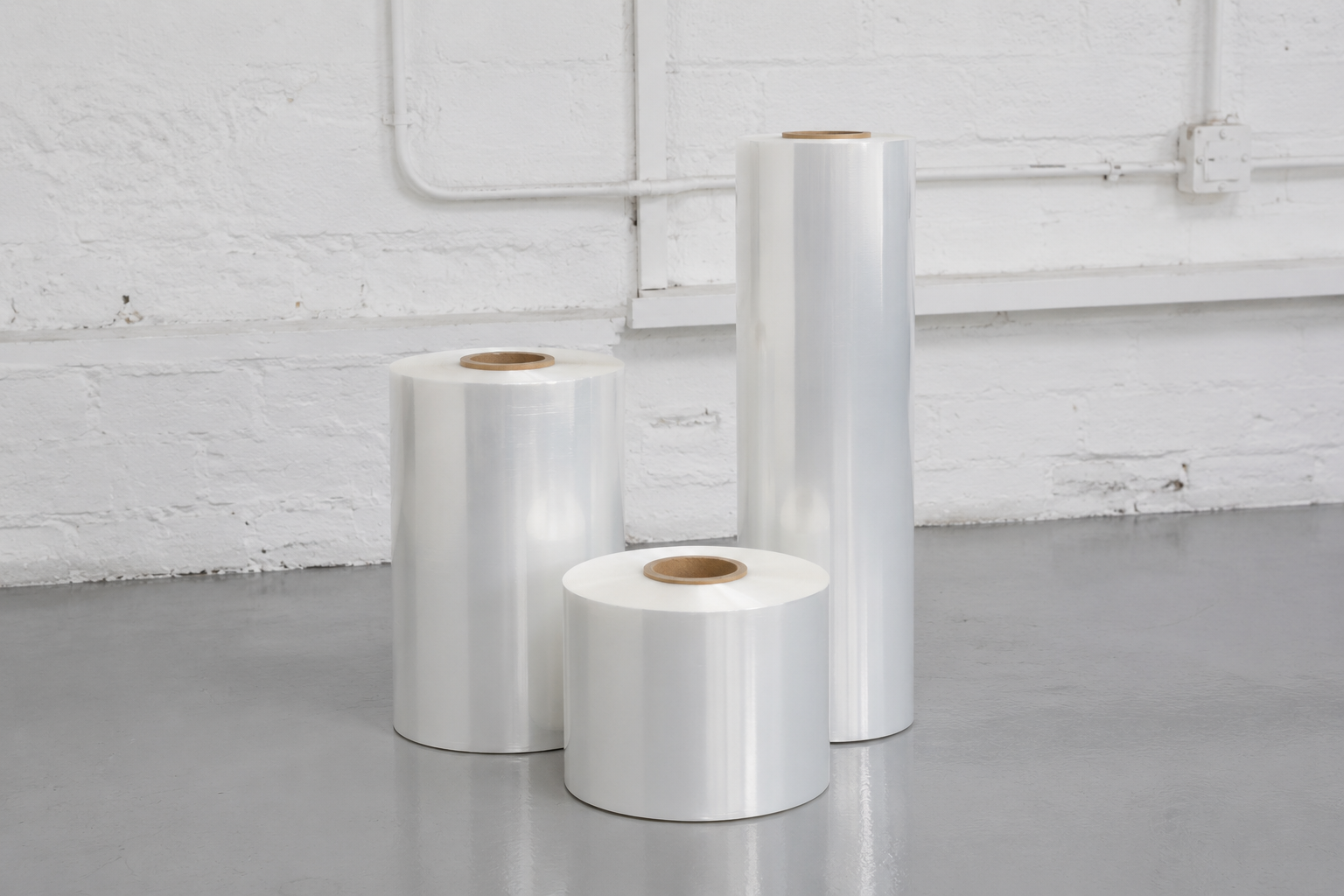
Polyolefin shrink wrap film is one of the most widely used shrink films due to its versatility and strong performance. Made from polyethylene and polypropylene, it offers excellent clarity, reliable sealing and consistent shrink properties. Modern polyolefin films are often multi-layered to improve strength, and irradiated versions further enhance puncture resistance and seal integrity, making them suitable for demanding packaging environments.
Compostable Shrink Wrap Film
Compostable shrink wrap films provide an environmentally friendly alternative to conventional plastic films. Certified to recognised standards, these materials are designed to break down in composting environments when processed correctly. They offer similar shrink performance and sealing capabilities to traditional films whilst also helping businesses reduce their environmental impact.
PVC Shrink Wrap Film
Although polyolefin films have replaced PVC in many applications, PVC shrink wrap still offers advantages in specific situations. It performs well at lower sealing temperatures and can be easier to use with certain types of machinery. This makes PVC a useful option for packaging heat-sensitive products or operating older packaging equipment.
Polyethylene (PE) Shrink Wrap Film
Polyethylene shrink wrap film is typically thicker and stronger than other shrink films. It’s commonly used for heavy-duty packaging applications, such as bundling bottles, cans or large industrial products. PE shrink film provides excellent strength and is particularly useful for protecting products during transport and storage.
Final Thoughts
Shrink wrapping has become one of the most efficient packaging methods available to modern businesses. By combining speed, reliability, and material efficiency, it provides a practical solution for protecting products while supporting high-volume production environments. From improving packaging speed to reducing material waste and enhancing product protection, shrink wrapping offers numerous advantages that help streamline packaging operations. As industries continue to prioritise efficiency and sustainability, we’re confident that shrink wrapping will remain a key technology in the evolution of modern packaging.
High-Quality Shrink Wrap: Provided by Kempner
We understand that selecting the right shrink wrap film is essential for achieving efficient, reliable packaging, and whilst shrink wrap may appear to be a simple material, the reality is that different products and packaging environments require different performance characteristics. That’s why, at Kempner, we offer a comprehensive range of high-quality shrink wrap films designed to meet the diverse needs of modern businesses.
Our range includes versatile polyolefin shrink films that deliver excellent clarity, strength and seal performance, as well as compostable shrink films for companies looking to improve the sustainability of their packaging. We also supply PVC shrink films for applications that require lower sealing temperatures or compatibility with certain machinery, alongside polyethylene shrink films that provide the performance needed for heavier or bulk packaging. By offering a wide selection of shrink wrap solutions and supporting our customers in choosing the most suitable film, we help businesses improve packaging efficiency, protect their products and keep production lines running smoothly. To discover all our shrink wrap products, browse our website today. Still need help choosing the right type of shrink wrap for your industry? Discuss your requirements with a member of our team.