The demand for ready meals has grown rapidly as more and more people look for convenient food options that fit into their busy lifestyles. With longer working hours and changing eating habits, many people now rely on prepared meals that can be heated and served in minutes. From chilled pasta dishes and fresh salads to premium microwaveable meals, supermarkets now offer a wide range of ready-to-eat products designed for speed and convenience.
However, the success of these products depends on more than just the quality of the food. Packaging plays an equally important role in ensuring that these products remain safe, fresh and visually appealing from the moment they leave the production line until they reach the consumer’s table. Ready meal packaging must protect food during transportation, preserve flavour, and keep it presentable, and this is where lidding films become crucial.
Designed to seal trays securely whilst maintaining product visibility and protection, lidding films help manufacturers meet the demanding requirements of modern food packaging. Although they may appear to be a simple component, their performance can have a direct impact on product safety, shelf life, production efficiency, and overall customer experience, making them an essential part of the packaging process that shouldn’t be overlooked. Let’s explore lidding films in more detail and how they improve packaging for ready meals.
What Are Lidding Films?
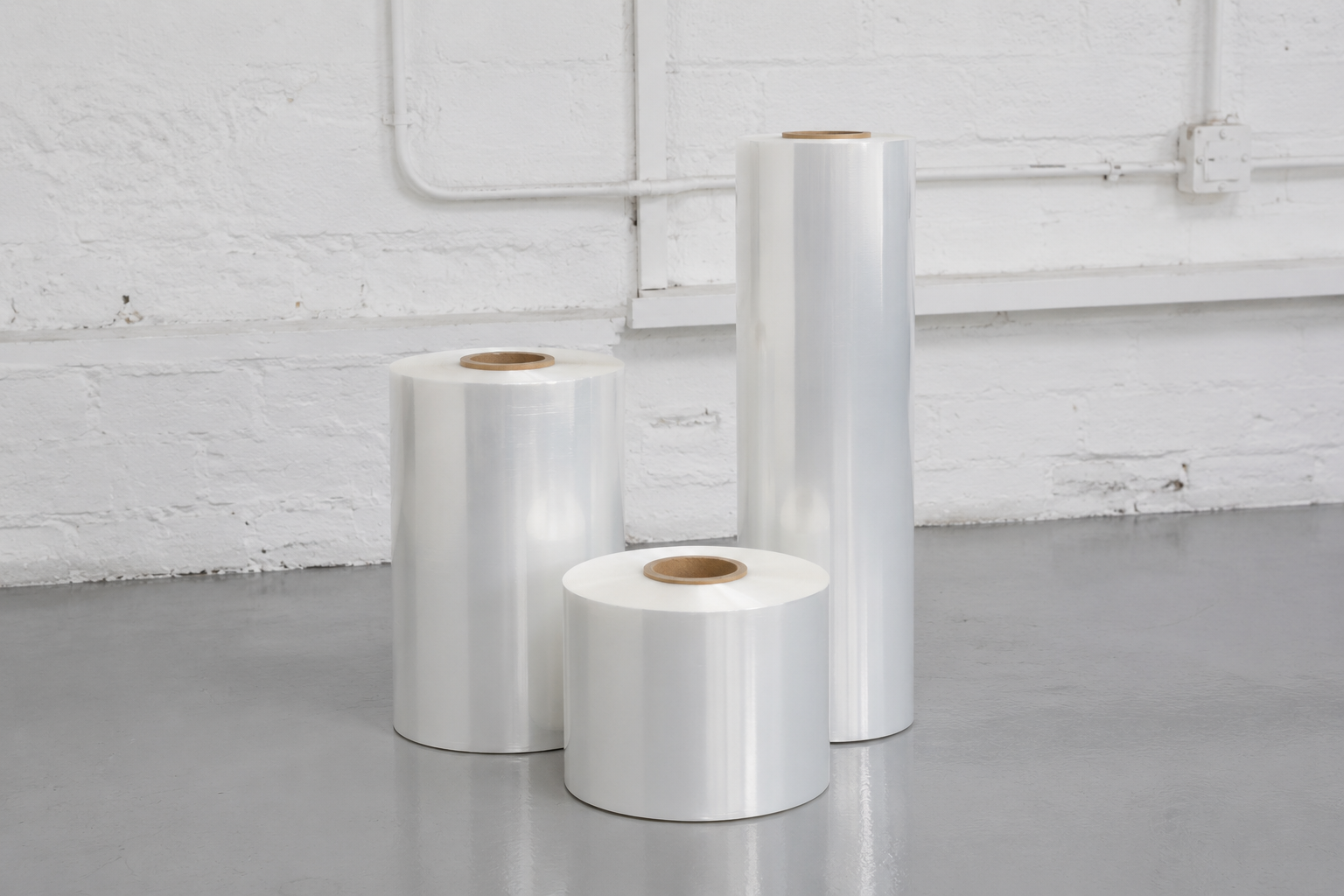
Lidding films are specialised plastic films designed to seal food trays and containers, creating a protective barrier that keeps the contents secure and hygienic. These films are commonly used in combination with trays made from materials such as PET, polypropylene, aluminium or cardboard-based substrates. Once sealed, the film forms the top layer of the packaging, effectively enclosing the food product within the tray. This barrier prevents external contaminants from entering the pack whilst helping to retain the freshness, flavour, and quality of the meal inside. For ready meal packaging, lidding films must meet several requirements. They must be strong enough to protect the contents, flexible enough to seal securely to the tray, and easy for consumers to open when the meal is ready to be eaten.
How Lidding Films Work with Tray Sealing Systems
In ready meal production, lidding films are typically applied using tray sealing machines. During the sealing process, filled trays move along a production line where the film is positioned over the tray opening. Heat and pressure are then applied to bond the film to the tray’s sealing surface. The result is a tight, reliable seal that protects the food as well as maintains the integrity of the packaging. Depending on the type of lidding film used, the seal can be designed to peel away easily or remain permanently welded to the tray.
Why Packaging Matters for Ready Meals
Protecting Food Quality and Freshness
Ready meals often contain a mixture of ingredients that must remain fresh for extended periods. Without proper packaging, oxygen, moisture and environmental contaminants can lower the quality of the food. Lidding films act as a protective barrier that helps preserve the product’s flavour, texture and appearance. By sealing the tray effectively, these films prevent exposure to external conditions that could otherwise lead to spoilage.
Maintaining Product Safety During Storage and Transport
Food safety is one of the most important considerations for ready meal manufacturers. Products may travel long distances between production facilities, distribution centres and retail outlets before reaching the consumer. Lidding films help ensure that meals remain protected throughout this journey. A secure seal prevents tampering and contamination whilst also protecting the contents from dust, bacteria, and moisture.
Enhancing Retail Presentation
In addition to their protective role, lidding films also play a significant part in product presentation. Clear, high-quality films allow customers to see the food inside the tray, which can influence purchasing decisions. Consumers often judge a ready meal by its appearance, and a clear, well-sealed pack that showcases the product inside can help build confidence in the quality and freshness of a meal.
How Lidding Films Improve Ready Meal Packaging
Creating Secure and Airtight Seals
One of the most important benefits of lidding films is their ability to create secure and airtight seals. This prevents leaks and ensures that liquids, sauces and other ingredients remain contained within the tray. A strong seal also protects the product from environmental exposure, helping to maintain the intended shelf life.
Extending Shelf Life Through Barrier Protection
Many lidding films include specialised barrier properties designed to control the movement of gases such as oxygen and carbon dioxide. These barrier layers can significantly extend the shelf life of ready meals. By slowing the oxidation process and reducing microbial growth, high-performance lidding films help maintain food quality for longer periods.
Preventing Contamination and Food Waste
Food waste is a major issue throughout the global food supply chain, and poor packaging can lead to damaged products, leaks, or spoilage before the meal ever reaches the consumer. Lidding films reduce these risks by creating a hygienic seal that protects the food from contamination. This helps ensure that products remain intact and safe throughout storage and transport.
Supporting Efficient High-Speed Production
Modern ready meal manufacturing facilities operate at extremely high speeds. Packaging materials must be able to keep up with automated machinery without causing interruptions or downtime. Lidding films are engineered for consistent sealing performance, allowing them to run smoothly on high-speed tray sealing machines. This reliability is essential for maintaining efficient production lines.
Types of Lidding Films Used for Ready Meals
Peelable Lidding Films
Peelable films are designed to provide a strong seal whilst still allowing consumers to remove the lid easily. This type of film is commonly used for ready meals because it offers convenience without compromising product protection.
High-Barrier Lidding Films
High-barrier films are designed to control gas transmission and extend shelf life. They are particularly useful for chilled meals that require longer storage periods.
Anti-Fog Lidding Films
Anti-fog technology prevents condensation from forming on the inside of the film. This means that the food remains clearly visible, even when the product is stored in refrigerated conditions.
Recyclable and Sustainable Lidding Films
With sustainability becoming a major priority, many manufacturers are also now using recyclable lidding films that reduce environmental impact without sacrificing performance.
Summary
Lidding films may seem like a small component within ready meal packaging, but their impact is actually quite significant. From creating secure seals and protecting food quality to extending shelf life and supporting efficient production lines, they play a vital role when it comes to making sure that ready meals reach consumers in the best possible condition. By investing in lidding film, food manufacturers can improve product protection, reduce the risk of contamination and food waste, and maintain an attractive retail presentation. As demand for ready meals continues to grow, high-performance lidding films will remain a key part of modern food packaging, helping manufacturers meet both operational demands and consumer expectations.
Kempner: Supporting Food Manufacturers with Reliable Lidding Film
At Kempner, we understand the challenges food manufacturers face when it comes to maintaining product quality, production efficiency and sustainability. That’s why we supply high-performance lidding films designed specifically for modern food packaging operations. Our films are engineered to deliver reliable sealing, excellent clarity, and strong barrier protection, so ready meals remain fresh and protected throughout storage and distribution. With decades of experience in packaging solutions, we work closely with manufacturers to provide lidding films that perform consistently on automated tray-sealing lines whilst meeting the strict industry standards. Whether businesses require films for chilled ready meals, fresh produce, or prepared foods, we offer dependable solutions that help keep production running smoothly and products at their very best. To find out more about our lidding film, browse our website today. Alternatively, you can call 020 8952 5262 or email sales@kempner.co.uk to talk to a member of our team.