A shrink tunnel machine can form an important stage within an automated packaging line, moving sealed products through a controlled heat process before they continue to the next part of production. When correctly matched with sealers, conveyors, and other equipment, a shrink tunnel can reduce manual handling and help create a steady flow of packaged products. The results depend on choosing suitable equipment and matching heat, airflow, conveyor speed, film, and product requirements.
What Does a Shrink Tunnel Machine Do?
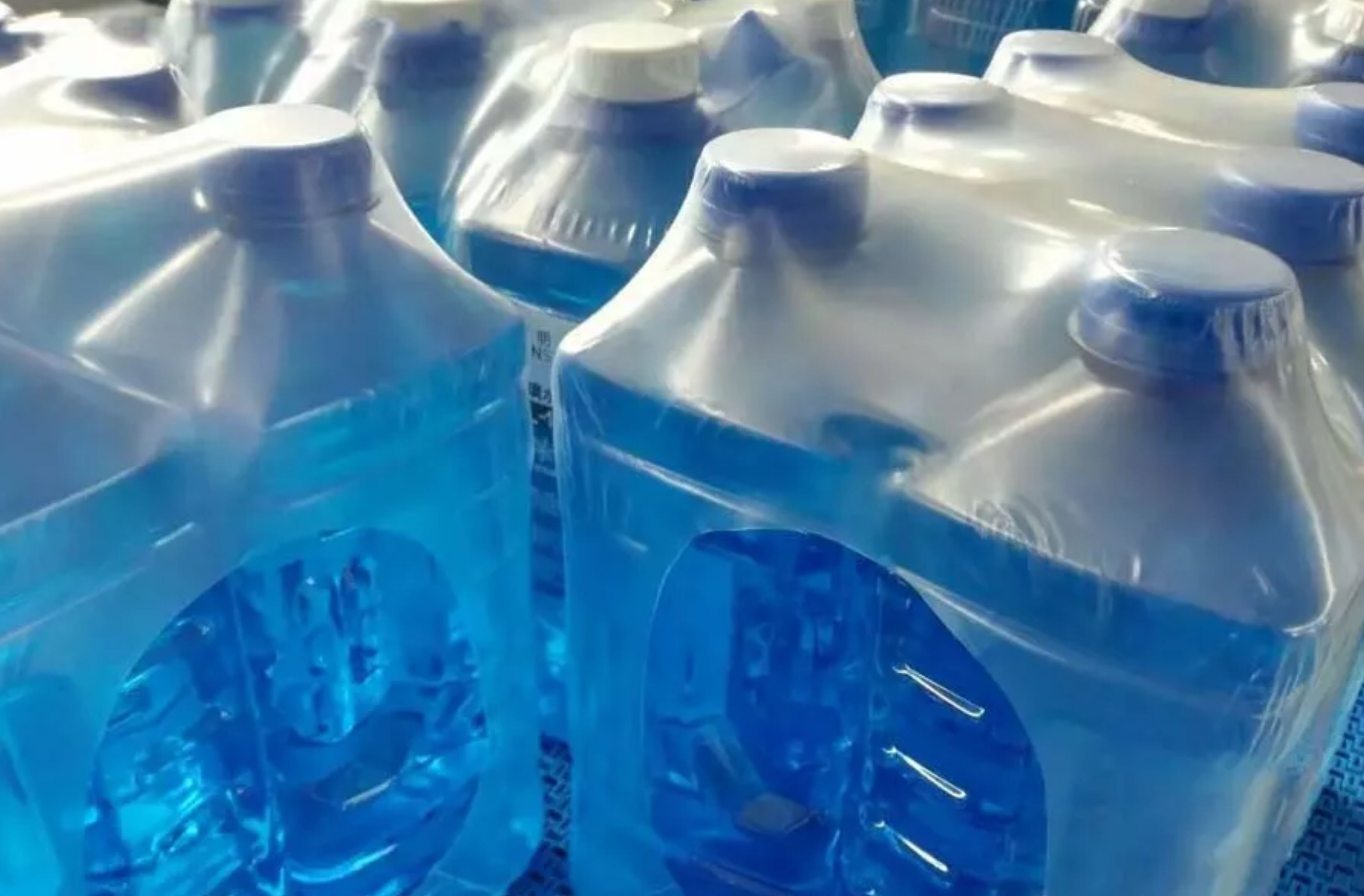
A shrink tunnel applies controlled heat to shrink film that has already been wrapped and sealed around a product. The pack travels through a heated chamber on a conveyor, allowing the film to contract around the product. The exact process depends on the film, product shape, tunnel settings, and equipment design. Temperature, airflow, conveyor speed, and tunnel length can all affect the finished pack. Unlike manual heat application, a tunnel provides a defined process through which each pack can pass. This can help produce more repeatable results during longer production runs.
Where Does a Shrink Tunnel Fit in a Packaging Line?
A shrink tunnel is normally one stage within a wider packaging process rather than a complete packaging line on its own.
From Sealing to Shrinking
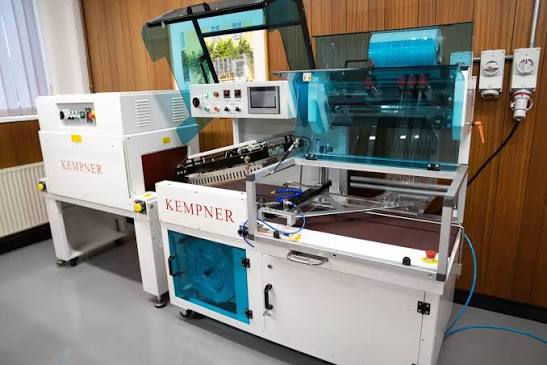
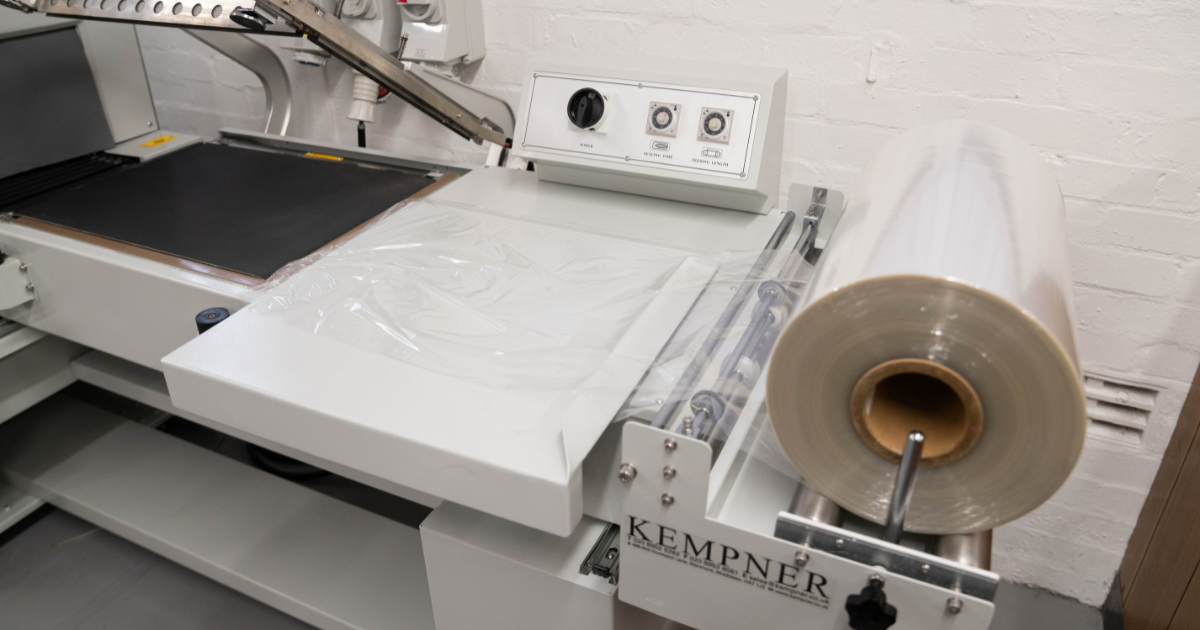
Products may first be fed into an L-sealer or another wrapping machine, where film is placed around the product and sealed. The wrapped pack can then move directly towards the shrink tunnel. Inside the tunnel, controlled heat causes the film to contract. Once the process is complete, the finished pack leaves the tunnel and can continue towards another stage, such as labelling, coding, inspection, boxing, or palletising.
Moving Packs Between Stages
Conveyors help connect the different stages of the line. The tunnel's conveyor speed needs to suit both the heat process and the equipment before and after it. This means the tunnel should be considered as part of the complete line rather than as a standalone machine.
How Does a Shrink Tunnel Support Automation?
Controlled Heat
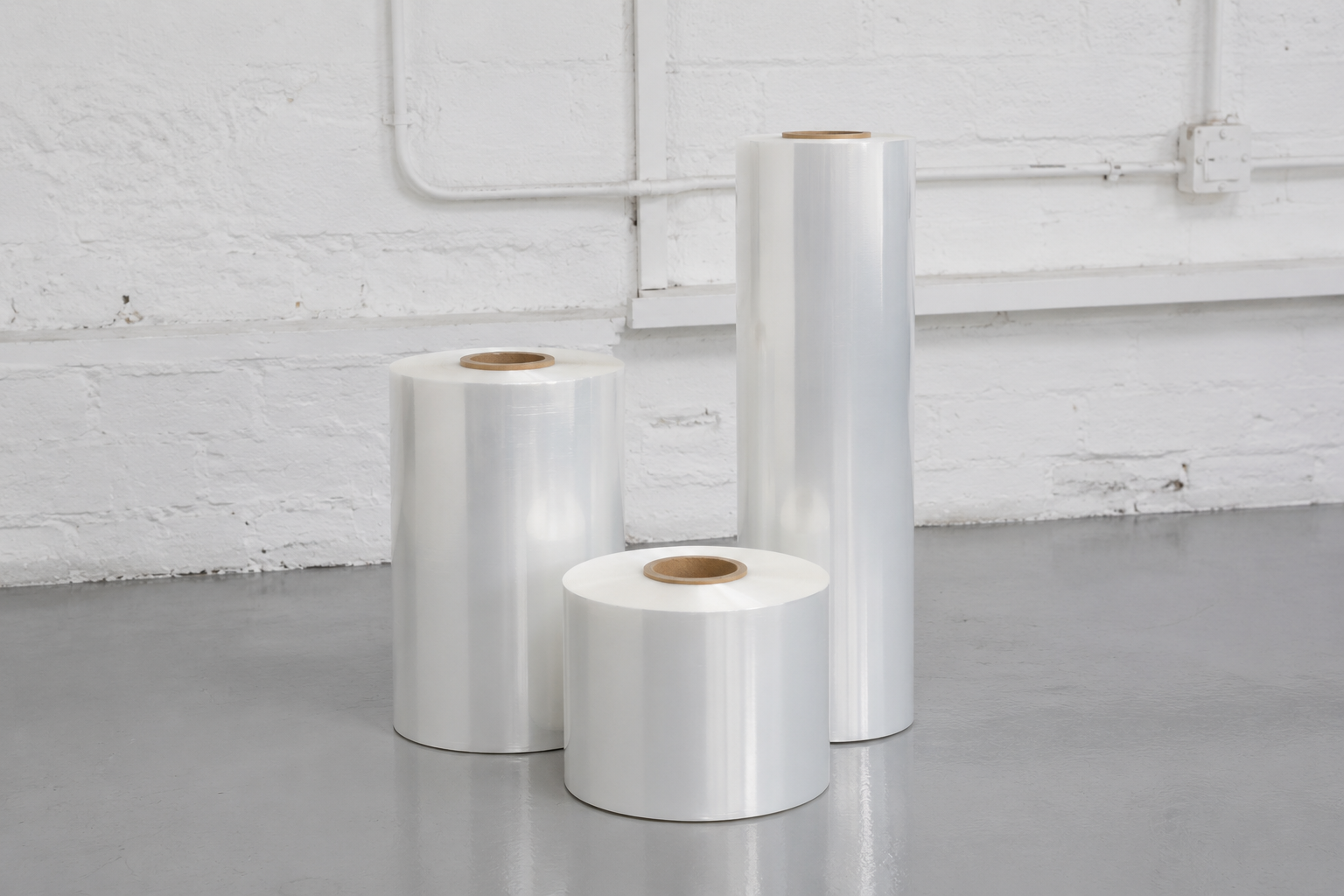
Different shrink films respond to different heat levels, so tunnel settings need to match the film being used. A controlled heating chamber provides a more stable process than applying heat manually to individual packs. The correct temperature also depends on the product. Items that are sensitive to heat may need particular care when selecting the film and tunnel settings.
Conveyor Speed and Dwell Time
Conveyor speed affects dwell time, which is the length of time a pack spends inside the heated chamber. If the pack moves too quickly, it may not receive enough heat for the film to shrink as intended. If it moves too slowly, it may receive more heat than needed. Finding the right balance helps create a controlled shrink process whilst allowing the line to maintain its required output.
Airflow Around the Pack
Airflow helps distribute heated air around the product as it passes through the tunnel. This can be especially useful when packs have corners, different surface heights, or unusual shapes. The aim is to provide suitable heat exposure across the film rather than relying on heat reaching every area in exactly the same way.
Repeatable Settings
Once suitable settings have been established for a particular product and film combination, they can be used as a reference for further production. This reduces the need for an operator to make a fresh judgement for every pack and can help maintain a more uniform finish across a production run.
Why Does Line Balancing Matter?
An automated packaging line works best when each stage can keep pace with the others. If a sealer produces packs faster than the tunnel can process them, the tunnel may become a bottleneck. Equally, if the tunnel can process more packs than the following machine can handle, products may begin to accumulate. When selecting a tunnel, consider the required output alongside the speed and configuration of the surrounding equipment. This helps create a better-matched packaging process rather than simply choosing the fastest individual machine.
Can Shrink Tunnels Handle Different Products?
Many shrink-wrapping systems can be adjusted for different products and pack sizes, but the exact scope depends on the machine.
Film and Product Considerations
The shrink film, pack dimensions, product shape, and sealing process all need to work together. Changing to a different product or film may require changes to temperature, conveyor speed, or other settings. After a changeover, the new combination should be checked before longer production runs begin.
Product Heat Sensitivity
Not every product responds to heat in the same way. Food, plastics, cosmetics, and other heat-sensitive goods may require careful consideration when selecting a shrink film and tunnel process. Where a product has specific temperature limits, these should be taken into account when setting up the packaging process.
What Should You Check Before Choosing a Shrink Tunnel?
Before investing in a shrink tunnel, consider:
•The size and shape of the products being packed.
•The shrink film you intend to use.
•Required conveyor speed and output.
•Product sensitivity to heat.
•Tunnel aperture and available floor space.
•The sealer and other equipment already in use.
•How often products or films will change.
•Electrical and installation requirements.
Shrink Tunnel Machines from Kempner
At Kempner, we supply shrink tunnel machines for use within shrink-wrapping systems across different production settings. Our range can be used alongside suitable sealing and conveying equipment to create a smoother packaging process. Whether you are reviewing your existing setup or planning a new wrapping system, the right tunnel needs to suit your products, film, required output, and surrounding machinery. Browse our packaging machinery to explore the available options, or contact us to discuss your requirements.
Final Thoughts
A shrink tunnel can support an automated packaging line by providing a controlled, repeatable stage between sealing and downstream handling. Its performance depends on more than heat alone, with conveyor speed, dwell time, airflow, film, product shape, and heat sensitivity all playing a part. By matching the tunnel to the rest of the line, manufacturers can create a smoother packaging process with less manual handling and more consistent results.